
Stockwell Station removals tips for narrow stair cases
Posted on 12/08/2026
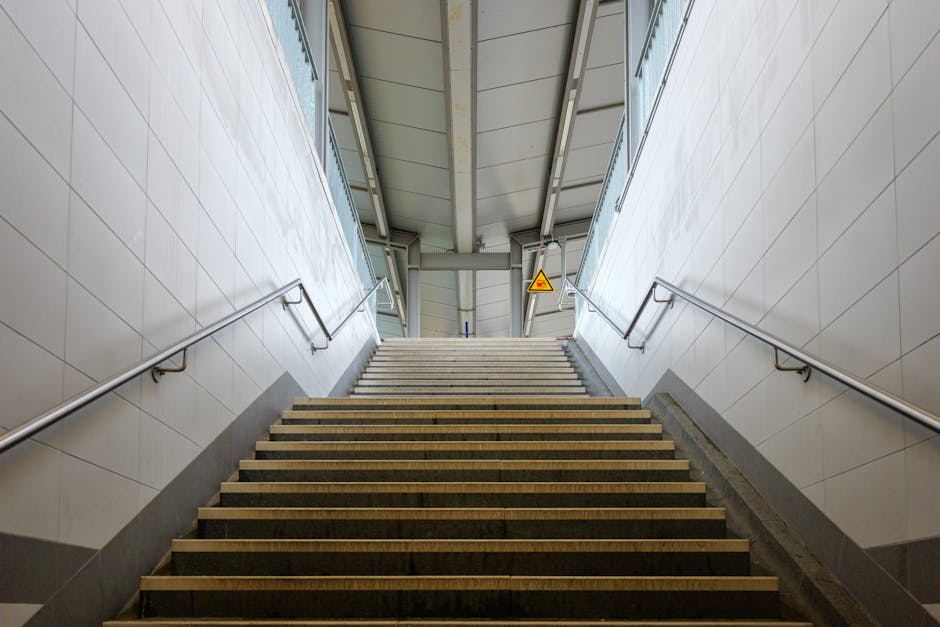
Stockwell Station Removals Tips for Narrow Stair Cases: A Practical Guide for Safer, Smoother Moves
Narrow staircases can turn an ordinary move into a bit of a puzzle. If you are dealing with Stockwell Station removals tips for narrow stair cases, the challenge is usually less about distance and more about angles, timing, and keeping everyone calm while a wardrobe or sofa seems to have a mind of its own. In Stockwell, where flats often come with compact hallways, awkward turns, and stairs that feel designed by someone who disliked furniture, planning matters. A lot.
This guide walks you through the practical side of moving in and out of tight stairwells: how to measure properly, what to pack first, which items need specialist handling, and when it is wiser to call in help rather than risk damage or injury. If you are moving from a flat, a shared house, or a period property near the station, the advice below should save you time, effort, and a fair amount of stress.
- Why narrow stair cases matter during a Stockwell Station move
- How the moving process works in tight stairwells
- Benefits of planning for limited access
- Who needs these tips most
- Step-by-step guidance for a safer move
- Expert tips that make a real difference
- Common mistakes to avoid
- Tools, resources and service options
- Safety, compliance and best practice
- Methods and comparison table
- Real-world example
- Practical checklist
- Conclusion
- Frequently asked questions
Why Stockwell Station removals tips for narrow stair cases Matters
Stockwell has the kind of housing stock that keeps movers on their toes. One moment you are carrying a lightweight box through a roomy entrance, and the next you are facing a tight stairwell with a turn halfway up, a low ceiling, and a bannister that seems to steal an extra inch of clearance. That is exactly why specific planning for narrow stair cases matters.
The risk is not just scratching a wall. It is the combination of small hazards that pile up: trapped furniture, strained backs, chipped skirting boards, scuffed paint, delayed move times, and the awkward moment when three people are trying to rotate a sofa on a landing that barely fits two. Truth be told, a lot of removal stress comes from underestimating access.
For people moving near Stockwell Station, limited access can also affect the wider move schedule. If stairs are narrow, loading takes longer. If there is no lift, more trips are needed. If furniture must be dismantled, that adds another layer. A move that looked simple on paper can suddenly need more labour, more padding, and a more careful route plan.
This is also where local knowledge helps. If you are comparing flat removals in Stockwell with a broader move plan, the stair case is often the deciding factor, not the postcode itself. And if you are still at the research stage, the wider services overview can help you think through what kind of move you actually need.
How Stockwell Station removals tips for narrow stair cases Works
The process is really about reducing friction at every stage. Narrow stairs demand smaller, better-prepared loads and a more disciplined sequence. You do not just "move the furniture"; you work item by item, route by route, and often room by room.
Here is the basic logic:
- Measure the access first. Stair width, landing depth, turn angles, handrail projections, ceiling height, and door openings all matter.
- Identify awkward items. Wardrobes, beds, sofas, dining tables, mirrors, and appliances are the usual troublemakers.
- Decide what can be dismantled. Flat-pack furniture is easy enough, but older pieces may need careful disassembly before the move.
- Protect the route. Wall corners, bannisters, and banisters should be wrapped or padded where appropriate.
- Stage items in the right order. Move the hardest items first while people are fresh and the route is clear.
- Use controlled lifting and turning. Tight corners are often more about angle than strength. You would be surprised how often a sofa fits once it is rotated properly.
One practical point that many people miss: the move team should know about the staircase before the van arrives. If the crew only discovers the narrow access on the day, they may need more time, different equipment, or an alternative loading plan. That is not a disaster, but it is far better to brief them early.
For furniture-heavy homes, a dedicated furniture removals service in Stockwell is often the most sensible fit. It keeps the focus on heavy, awkward items rather than treating every box as if it needs the same handling.
Key Benefits and Practical Advantages
Good planning around narrow stair cases is not just about avoiding breakages. It changes the whole feel of the day.
- Less damage to your property: Padding, route planning, and proper lifting reduce knocks to walls, paintwork, and doors.
- Lower risk of injury: Tight stairs and heavy items are a bad mix if you are rushing.
- Faster loading and unloading: A clear plan makes each trip more efficient, even if the staircase itself is awkward.
- Better protection for furniture: Proper wrapping and disassembly help prevent dents, tears, and stress damage.
- Fewer last-minute surprises: You are less likely to find out on moving day that the wardrobe does not turn the corner. Not ideal, that.
- More accurate quoting: When access details are clear, estimates are usually more realistic.
There is also a peace-of-mind advantage that is easy to overlook. When everyone knows the plan, people stop improvising. And improvising is where accidents often begin. A calm move is usually a safer move, even if the building itself is a bit unforgiving.
Who This Is For and When It Makes Sense
These tips are most useful if you are moving from, to, or within a building where stairs are the main access route and there is little room to manoeuvre. That includes many Stockwell flats, maisonettes, older conversions, and shared homes near the station.
You will especially benefit if you are:
- moving from a top-floor flat with no lift
- carrying large furniture such as beds, wardrobes, sofas, or bookshelves
- moving with limited time on a weekday or in a busy traffic window
- organising a student move with several small items and a few bulky ones
- trying to avoid damage to shared hallways in a block of flats
- planning a move that needs storage because not everything will fit through at once
If you are a student, the pace is often different but the access problem is the same. Smaller budgets do not magically widen staircases, sadly. In those cases, student removals in Stockwell can be a practical fit because the service approach is usually built around compact loads and quick turnaround.
For business moves, stair access can matter too. Older office buildings and mixed-use premises may have narrow access routes, awkward internal turns, or delivery restrictions. If that sounds familiar, office removals in Stockwell deserve a closer look before anything is booked.
Step-by-Step Guidance
Here is a simple way to handle a move where the staircase is the main challenge.
1) Measure the access properly
Measure the width of the staircase at the narrowest point, the size of the turns, the landing depth, and the height of any low ceilings or overhangs. Also measure the largest items you plan to move. Do not rely on "it should fit." That phrase has caused more moving-day drama than any of us would like.
2) Identify what must be dismantled
Take apart bed frames, remove table legs, detach shelving, and empty wardrobes before trying to carry them. If a piece looks borderline, dismantle it. It is usually quicker than forcing a difficult carry and then backing out halfway up the stairs.
3) Protect the route before moving items
Use covers, blankets, or protective wrapping for vulnerable surfaces. This matters especially on painted walls, sharp bannister edges, and narrow corners where a shoulder-width carry can rub the wall on both sides. One scuff can become three. Easy to do, annoying to fix.
4) Pack for stair access, not just for storage
Smaller boxes are easier to stack, lift, and rotate. Heavy items should go in smaller cartons, not oversized ones. If you need packing help, packing and boxes in Stockwell can support a more organised move, especially when you want sturdy cartons and sensible packing materials.
5) Load in the right order
Start with the most awkward items while everyone has energy and the stairwell is still clear. Save lighter, stackable boxes for later. If a large item needs two or three people to guide it, make sure the route is clear before the lift begins.
6) Use the correct carry technique
Keep loads close to the body, bend the knees, and rotate from the hips rather than twisting the back. On stairs, communication is everything. A simple "steady," "stop," or "turn" saves a lot of friction. It sounds basic, because it is basic. Basic is good.
7) Have a fallback plan
If something will not fit, do not force it. Remove a door if appropriate, change the angle, split the item further, or switch to an alternative route. For some moves, using a larger vehicle or a specialist mover makes the whole process less painful.
Expert Tips for Better Results
A few small choices can make tight-stair moves much easier.
- Pre-pack a "stairs first" box. Put tape, marker pens, gloves, scissors, a cloth, and a small toolkit in one box so you are not hunting for them mid-move.
- Remove hazards early. Loose rugs, shoes, planters, and hallway clutter should be dealt with before the crew arrives.
- Use directional communication. One person should call the turns so the others are not giving competing instructions.
- Check door swings. Sometimes a door held at a different angle buys you enough clearance for the awkward corner.
- Wrap corners generously. Stair corners are where friction happens, literally.
- Think in sections, not loads. Move the item one landing at a time if that is safer. There is no prize for rushing.
If your move includes a piano, treat it as a separate planning task rather than just another heavy object. Pianos are sensitive, awkward, and genuinely not the thing to improvise with. A specialist piano removals service in Stockwell is worth considering when stairs are tight and the item is valuable.
And if you are unsure whether the move needs a full team or a lighter setup, a man and van option in Stockwell can be ideal for smaller moves where manoeuvrability matters more than scale. For some jobs, that is the sweet spot.

Common Mistakes to Avoid
Most staircase problems are preventable. The issue is usually not lack of effort; it is poor preparation.
- Skipping measurements. If you have not measured the stairs, you are guessing.
- Leaving items fully assembled. That is how beds, sofas, and bookcases become unexpectedly immovable.
- Using boxes that are too heavy. Big boxes may look efficient until you try to carry them on a turn.
- Not clearing landings. A small pile on a landing can block the whole flow.
- Ignoring shared spaces. In flats, stairwells and communal areas often need extra care and courtesy.
- Forcing a bad fit. If something jams, stop. Reassess. A little patience avoids a lot of damage.
Another common one: booking a service without explaining the access issue properly. If you need a more tailored arrangement, removal services in Stockwell can be a better fit than a generic booking because the right support can be matched to the property.
Let's face it, nobody wants to be the person trapped on the stairs holding a mattress sideways while everyone debates the angle. Better to plan than to panic.
Tools, Resources and Recommendations
You do not need a van full of specialist kit, but the right basics make a huge difference.
| Tool or resource | Why it helps | Best used for |
|---|---|---|
| Furniture blankets and wrap | Protects wood, paint, and corners from knocks | Wardrobes, tables, sofas, frames |
| Ratchet straps or strong ties | Keeps parts secure after dismantling | Bed frames, shelving, loose components |
| Labelled small boxes | Improves lifting safety and stair handling | Books, kitchenware, files, mixed items |
| Toolkit | Speeds up disassembly and reassembly | Furniture teardown and on-site adjustments |
| Protective gloves | Improves grip and reduces minor scrapes | Heavy or awkward carries |
When the move is larger, the right vehicle can matter too. A compact vehicle is easier to park and may suit narrow streets better, while a full-size van can be better for fewer trips. If you are weighing options, the pages for removal van services in Stockwell and man with a van in Stockwell are useful starting points.
For many household moves, especially where access is tight but the volume is moderate, the cleaner route is to keep packing disciplined, keep loads smaller, and choose a service that can adapt rather than one that only works in ideal conditions. Ideal conditions are lovely. Rare, but lovely.
Law, Compliance, Standards, or Best Practice
For a move like this, the most relevant guidance is practical and safety-based rather than legal in a dramatic sense. In the UK, movers and customers both benefit from sensible handling practices, proper lifting, and attention to shared-property rules where applicable. If a building has communal areas, you should be considerate about access, noise, and damage prevention.
Best practice usually includes:
- clear communication before the move day
- safe lifting and load-sharing
- protective coverings where needed
- avoiding obstruction of fire routes or shared corridors
- using insured and well-maintained equipment
If you want to understand how a provider thinks about responsibility, it is worth reviewing their approach to safety and handling. The site's insurance and safety information is a helpful place to start, and their health and safety policy gives a clearer picture of the standards behind the service.
For some customers, transparency also matters around how the business operates more broadly. That is why pages such as about us can be useful when you are comparing providers and deciding who feels trustworthy enough for a cramped stairwell move.
Options, Methods, or Comparison Table
Different move types suit different access problems. A narrow staircase does not automatically mean a specialist crew is required, but it does mean the choice should be intentional.
| Method | Best for | Pros | Watch out for |
|---|---|---|---|
| DIY move with friends | Very small loads, lightweight boxes | Lower cost, flexible timing | Higher injury risk, less experience with awkward items |
| Man and van | Smaller household moves, furniture pieces, limited access | Flexible, practical, often cost-conscious | May still need extra help for heavy items |
| Full removals team | Larger homes, multiple bulky items, complex access | More manpower, better coordination, less strain | Can cost more if the move is actually small |
| Specialist item removal | Pianos, delicate furniture, unusually heavy items | Extra care and appropriate handling | Not needed for every move |
| Short-term storage plus staged move | When access is too tight for everything at once | Reduces pressure on moving day | Requires planning and possibly an extra trip |
For people who need to split the move across dates or handle belongings in stages, storage in Stockwell can be a practical pressure release valve. Not glamorous, perhaps, but extremely useful when a staircase and a sofa are refusing to cooperate.
Case Study or Real-World Example
Picture a typical Stockwell flat move. The property is on an upper floor, the staircase is narrow, and there is a sharp turn halfway up. The largest items are a double mattress, a disassembled bed frame, a two-door wardrobe, a small bookcase, and about twenty boxes. Nothing outrageous. Still, the stairs change the game.
In a situation like this, the smartest move is to sort the load before anything leaves the room. The wardrobe is dismantled. The bed frame is bundled with taped parts and labelled fittings. The boxes are split so none are absurdly heavy. The mattress is wrapped so it does not snag on the wall paint or catch on a banister edge. Then the team clears the route, pads the corner, and takes the awkward items first while everyone is still fresh.
The difference is usually obvious. Instead of stopping every few minutes to rotate or rethink, the crew can work steadily. The move feels less like a rescue mission and more like a process. A small thing, but a meaningful one.
If that sounds familiar, you are probably already thinking in the right direction. For moves that need a more hands-on solution, house removals in Stockwell can be a better match when several bulky items are involved, especially in older buildings with tighter access.
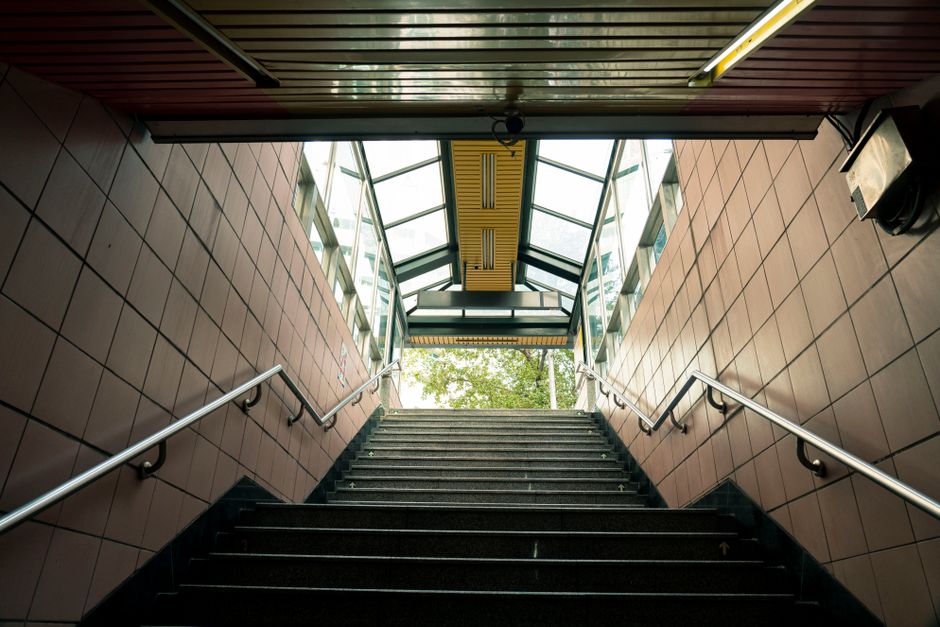
Practical Checklist
Use this before moving day. It keeps things grounded.
- Measure stair width, turns, and landings
- Measure the largest furniture and appliances
- Decide what needs dismantling
- Pack heavy items into smaller boxes
- Label awkward or fragile items clearly
- Protect floors, corners, and bannisters
- Clear hallways, landings, and doorways
- Confirm parking and access arrangements
- Tell the mover about the staircase in advance
- Prepare a toolkit, tape, and basic wrapping materials
- Keep water, snacks, and phone chargers handy
- Have a fallback plan for anything that will not fit
If you need a fuller support setup, it can help to compare the wider range of removal companies in Stockwell so you can match the service to the access issues rather than hoping one size fits all. It usually does not.
Get a free quote today and see how much you can save.
Conclusion
Narrow stair cases do not have to derail a move, but they do demand respect. The big wins come from planning early, measuring carefully, packing intelligently, and choosing the right kind of help for the job. Once you break the job into smaller steps, the whole thing becomes far less intimidating.
Stockwell Station removals tips for narrow stair cases are really about confidence as much as technique. When you know what will fit, what must be dismantled, and how to protect the route, the day stops feeling random. You are still moving house, and yes, it may still be a bit chaotic, but it becomes manageable. That counts for a lot.
If you are at the point where you would rather not guess, a quick conversation with a local mover can save you hours later. And honestly, that is usually time well spent.
Take it one landing at a time. That part is not just for the stairs.

