Complaints Procedure for Removal Companies Stockwell
 A clear complaints procedure is an essential part of any professional moving service. When people book removal companies Stockwell residents can rely on, they expect careful handling, punctuality, and respectful communication. Even so, issues can sometimes arise during packing, transport, delivery, or after the move. A well-structured process helps both customers and the business deal with concerns in a calm and organised way.
For a removal company Stockwell customers choose, the way complaints are handled can be just as important as the move itself. Problems may involve damaged items, delays, missing boxes, poor communication, or unexpected changes to the agreed service. A formal complaints process shows that the company takes responsibility and is committed to resolving matters fairly.
 This process should be easy to understand and designed to support quick action. Customers need to know who to speak to, what information to provide, and how long it may take to receive a response. Likewise, the company should have a consistent method for recording, reviewing, and responding to each concern.
Why a Complaint Policy Matters
Every professional mover benefits from a strong policy because it creates clarity. Without one, small concerns can become larger disputes. A good procedure helps removal firms manage expectations, protect service standards, and respond in a way that is both fair and efficient. It also reassures customers that their issue will be taken seriously.
For clients using removal services, a proper complaints route can reduce stress during an already busy time. Moving often involves deadlines, fragile items, and emotional pressure. If something goes wrong, the ability to raise a concern in a structured way can make a major difference.
The policy should also encourage internal improvement. Complaints can highlight recurring problems such as handling methods, scheduling errors, or communication gaps. When these issues are tracked, a company can introduce better training, stronger checks, and more reliable procedures.
How the Complaints Process Should Work
 A sensible complaints procedure usually begins with an initial review. The customer explains the issue, ideally in writing, and includes relevant details such as the move date, service type, and what went wrong. The company then records the complaint and assigns it to the appropriate person or team.
Next comes acknowledgment. This step confirms that the complaint has been received and is being looked into. A prompt response is important because it shows professionalism and prevents frustration. The acknowledgment should also outline the next stage and any expected timeframe for a full reply.
After that, the matter is investigated. The company may review job notes, inventory lists, photographs, delivery records, or staff reports. If needed, it should speak to team members involved in the move. The goal is to understand the facts before offering a solution.
Common Complaint Types and Fair Responses
Some complaints are straightforward, while others require careful checking. Common issues for house removals and commercial moves include delays, damaged furniture, missing items, incorrect loading, or poor communication. A fair procedure should treat each case individually rather than relying on a one-size-fits-all response.
Where damage is confirmed, the business may offer repair, replacement, or compensation depending on the circumstances and service terms. If the complaint relates to lateness or a missed deadline, the company should explain the cause and decide whether a partial refund or service adjustment is appropriate.
Clear records are important at this stage. Notes should be kept on what was reported, who reviewed it, what evidence was used, and how the decision was made. This creates accountability and helps the company respond consistently to similar cases in the future.
Escalation and Final Resolution
Not every complaint can be resolved immediately. If the customer remains unhappy after the first review, there should be an escalation step. This means the case is passed to a senior manager or another designated decision-maker who can reassess the matter independently.
Escalation is useful because it brings a fresh perspective. It also reassures the customer that the issue is not being ignored. In a professional removal company, escalation should be calm, respectful, and based on evidence rather than emotion.
Once a final decision has been reached, the company should explain the outcome clearly. If the complaint is upheld, the response should describe the remedy and when it will be completed. If it is not upheld, the company should provide the reasons in plain language and, where suitable, suggest any other available route.
Best Practice for a Professional Approach
 A reliable complaints process should be consistent, accessible, and easy to follow. Staff should be trained to handle concerns politely and without defensiveness. They should know how to listen, gather facts, and avoid making promises that cannot be delivered.
It is also wise to set timeframes for each stage. Customers appreciate knowing when they can expect acknowledgment, updates, and a final response. Even when a complaint is complex, regular communication can reduce uncertainty and build trust.
In addition, the policy should focus on outcomes rather than blame. The purpose is to put things right, improve service quality, and maintain professional standards. That approach supports better relationships and helps moving services remain dependable.
Keeping the Process Customer-Focused
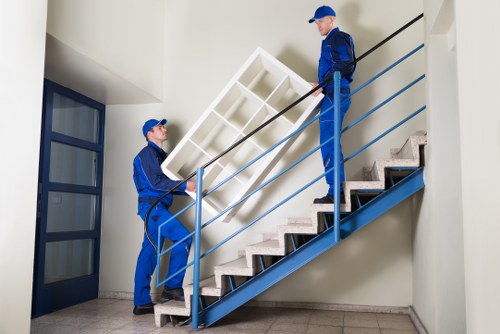 A strong complaints system benefits everyone involved. Customers feel heard, while the business gains a practical way to correct mistakes and improve operations. For removal companies Stockwell customers may consider, professionalism is shown not only in careful lifting and transport but also in how issues are resolved.
Ultimately, a fair complaints procedure reflects a company’s values. It shows that the business is organised, responsible, and committed to service quality. When handled properly, complaints can become an opportunity to strengthen trust and improve future moves.